Call Today
(858) 269 - 7035


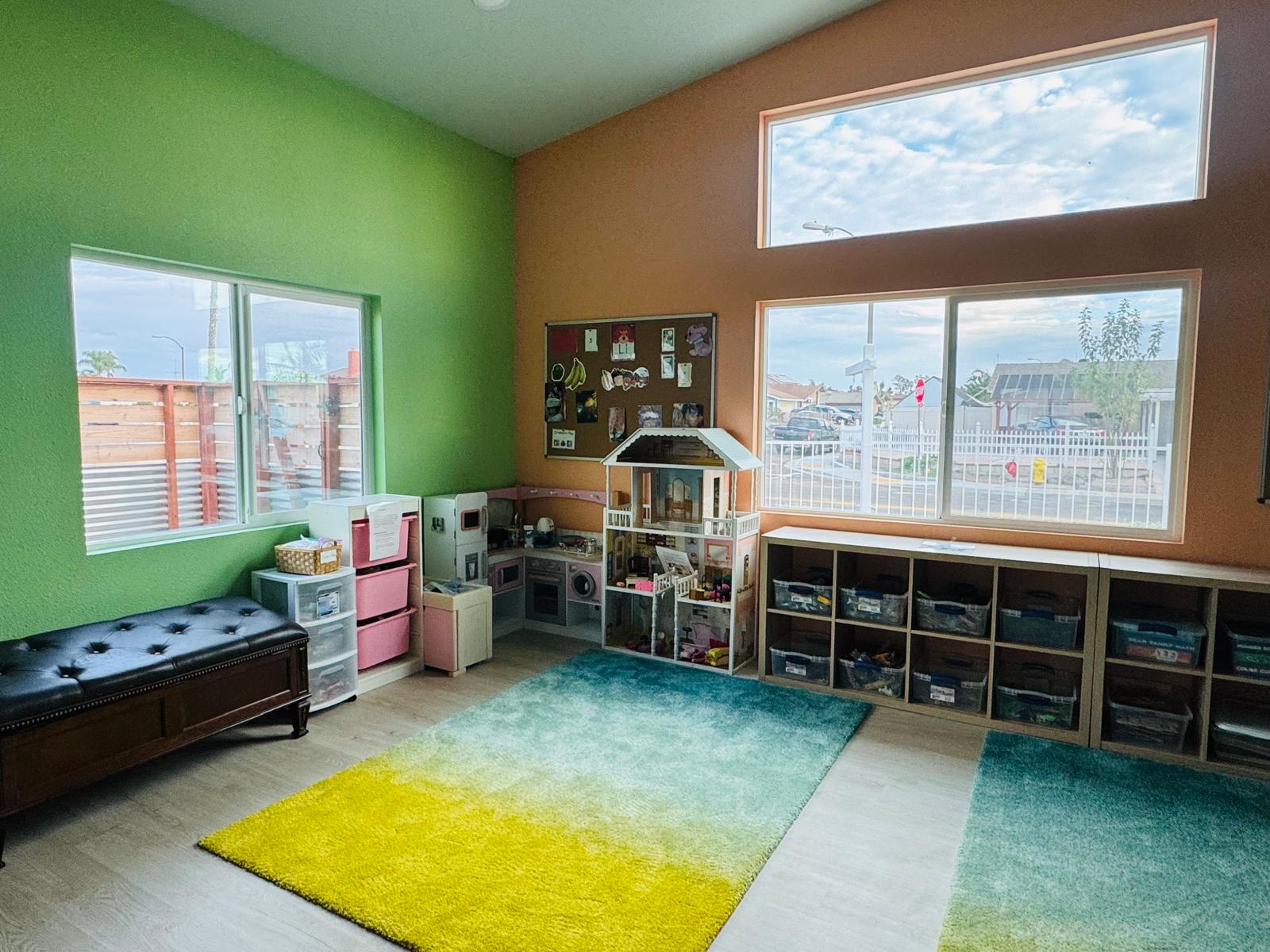
It is natural for every parent to expect their child to grow up exploring the world with joy and confidence. Playing is not just an entertaining activity for toddlers; they help in developing their motor skills, language skills, imagination, problem-solving skills, and building their social confidence. The toys they play with on a daily basis serve as important tools in their learning process; however, only those that are developmentally suitable can be considered helpful in that way. Thus, choosing the right toys is a lot more difficult than simply buying something bright and cheerful from a store shelf.
The U.S. Consumer Product Safety Commission (CPSC) states that thousands of injuries due to toys occur annually, and many of them include children aged under five years. Among these accidents, choking hazards, falls from riding toys, strangulation, and injuries sustained from improperly designed and defective products are the most frequent types. In addition, organizations like the American Academy of Pediatrics (AAP) also mention the importance of using toys that are safe and developmentally suitable to minimize any unnecessary injuries. So, toddler safety should be prioritized while choosing toys for your kids.
Most parents tend to be conscious of the safety of their children when it comes to playing, but they should know that safety begins way before the purchase. Two families going to buy gifts for their children’s birthdays can demonstrate this.
The first family buys an interesting toy with its beautiful packaging. Another family checks the recommended age, safety standards certification, and whether the material is suitable for their toddler and corresponds with their abilities.
Both families want the best for their children; however, there is a huge difference in the way they think about the purchase process, which helps avoid possible dangers from the very beginning of using the toy.
Safety in purchasing toys is choosing the product according to a toddler’s age, size, physical abilities, curiosity, and behavior.
Age requirements are tested many times through product tests and scientific studies of the development of children.
A toy made for three-year-olds and older children can include elements that can be dangerous for smaller toddlers because of the small size of those elements and the possibility of choking. A toy labelled for children aged three and above may contain components that are unsafe for younger toddlers, particularly small removable parts that present choking hazards.
Toddlers naturally explore objects by putting them into their mouths. Even children who rarely mouth toys may do so when tired, distracted, or curious. Choosing toys specifically designed for children between one and three years of age significantly reduces unnecessary risks.
The danger of choking poses one of the main risks associated with toddler safety. Generally speaking, if a product can pass through a toilet paper roll, it might become a choking hazard for a child.
If you choose toys for your toddler, it is advisable to avoid products that have:
Battery-operated toys require special attention. Button batteries are particularly dangerous due to the risk of serious damage to internal organs if a child swallows them. Battery compartments should be closed by means of screws that are not accessible to toddlers.
Children are pretty harsh in relation to their toys. They throw, bite, climb, and sometimes try to disassemble them. Quality toys made of sturdy non-toxic material will hardly break into sharp pieces and will ensure the safety of children.
Choose products that comply with safety standards and do not have:
Cheap toys look appealing but usually become unsafe much faster than quality ones.
While many parents choose their child’s toys strictly from the perspective of injury prevention, it is equally essential to consider developmental safety.
The best toys for toddlers stimulate creative thought, physical activity, communication, and critical thinking skills through imaginative play without exposing them to too much light, sound, or technology.
For instance, wooden blocks promote imagination since children determine how to utilize them. The toy that is completely self-propelled might offer temporary entertainment; however, it gives far less chance for development and interaction. Good play makes children engage in play and not just watch it.
Choosing toys for the daycare environment is particularly crucial since they are used by several children at different developmental levels.
Childcare professionals frequently check toys for:
Try to picture the busy daycare center with lots of toddlers playing all day long. Even if the crack in the plastic toy seems insignificant at first, further play can result in sharp edges that will scratch children’s hands.
A seemingly safe toy could easily become hazardous in an unsafe setting.
Proper baby-proofing ensures a safe environment where the child can play safely.
Parents should make sure that:
Choosing safe toys and a safe environment will greatly minimize the risks of injuries at home.
Playing outdoors helps children to develop physically, improve coordination, and boost their confidence levels. Nevertheless, it is necessary to choose safe outdoor toys for toddlers. Ride-on toys should be age-appropriate. There should be guardrails on slides. Water toys must be used under constant adult supervision. The weather conditions need to be taken into account too, since the metal toys can become dangerously hot in summer.
Young children like placing their toys in their mouths. For this reason, maintaining proper hygiene becomes quite essential. Plastic toys should be cleaned regularly using soap and warm water. Soft toys should be washed according to the instructions provided by manufacturers. Toys in daycares should be cleaned frequently to reduce the spread of viruses and bacteria. It would be helpful to instill some simple hygiene routines in toddlers such as washing hands before and after playing.
Sarah started her toddler Liam in daycare recently. Eager to help him learn more at home, she bought some cheap toy sets from the web. In a couple of weeks, one of the toy trucks broke because of loose wheels, and another puzzle started to shed some small pieces of wood. Luckily, Sarah noticed this problem before Liam could put any of those pieces in his mouth. Based on her educator’s recommendation, Sarah substituted the toys for age-approved ones, checked the condition of the toys regularly, and alternated them. Not only was the environment safer, but Liam also engaged in play in a more creative way with fewer toys.
One misconception about parenting toddlers is that children require many toys. However, studies have indicated that having too many toys can distract children from play and hinder interaction with them. Instead of purchasing more toys, most child psychologists suggest using toy rotation.
Children remain engaged in their activities, and at the same time, parents avoid excessive clutter and can easily recognize damaged toys that need to be replaced. Quality is always better than quantity.
Sometimes even reputable companies recall products. Parents should regularly check government sites related to consumer safety for any recalled toys. Moreover, registering bigger and electronic toys with the company helps to get updates in case of any issues. It is one of the best toddler safety tips for parents. When your child is at daycare, you should have an idea of the daycare play items.
Selection of toys that will be considered safe for toddlers is not only the selection of bright toys with interesting packaging. All toys should be developmental in nature, and also should conform to safety requirements and be appropriate for a certain age and development of a child. When selecting toys for toddlers, either at home or in a day care facility, parents have to pay attention to the quality of toys, durability, inspection, and supervision. When you are putting your child in daycare, daycare play items should also be prioritized. Toddler toys are not to be just brought and presented; they should be checked for quality and safety alignment.
Moreover, it is important to create a safe environment, including baby proofing of your house, maintaining cleanliness of toys, and staying aware of recalls on toys. In this manner, by ensuring toddler safety, parents provide their children with a chance to develop safely while playing. Kiddies Korner Family Daycare is a safe solution for your child when you need a daycare.
FAQS
1. What makes a toy safe for toddlers?
A toy that is age-appropriate, constructed of non-toxic materials, does not contain small pieces that can come off, and meets safety standards is considered safe for toddlers.
2. Why are age recommendations significant?
Age recommendations ensure that a toy fits a child’s development level and prevent choking, falling or wrong usage.
3. How can I identify choking hazards?
Look for the parts that are small enough to get into a toilet paper tube like small batteries, loose buttons, beads, and magnets.
4. How often should I check toddler toys?
Check toys regularly; especially, those that are used daily, and throw away any damaged toys.
5. Are wooden toys safer than plastic toys?
If both toys meet recognized safety standards, they are equally safe because the quality of manufacture is more important than the material.
Design & Developed by Alpha Business Designs