Call Today
(858) 269 - 7035


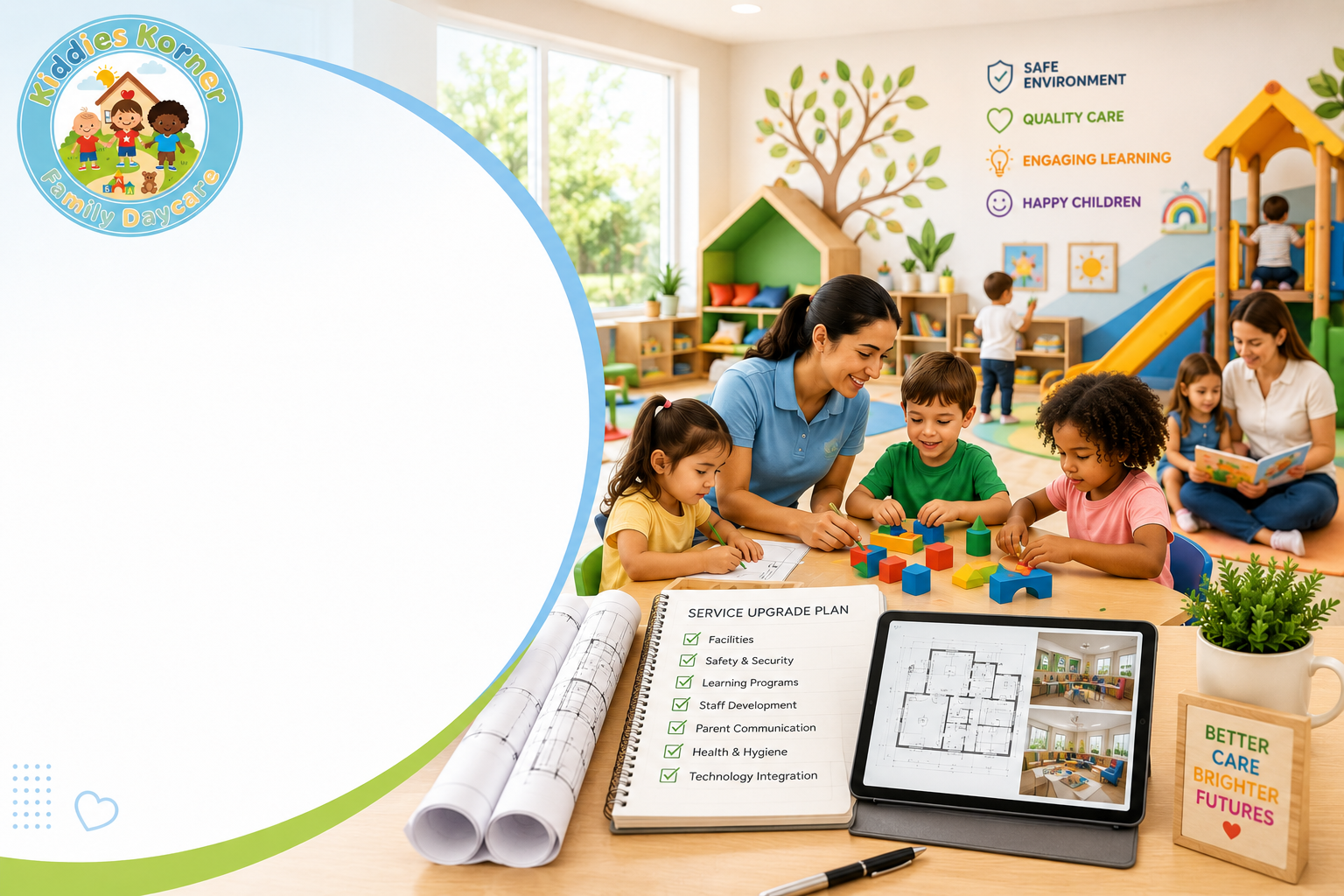
Choosing the right child daycare and preschool center is one of the most important decisions parents make during a child’s early years. Beyond academics, the right environment shapes a child’s emotional confidence, communication skills, creativity, and ability to adapt socially. Yet many parents feel overwhelmed when comparing programs, understanding age requirements, or navigating the preschool admission process.
In 2026, families are looking for more than just convenience. They want safety, structured learning, emotional support, qualified educators, and flexibility that fits modern family life. At the same time, parents are also searching for an affordable child daycare and preschool center that provides real value without compromising quality.
This guide explains everything parents need to know about daycare and preschool enrollment, from identifying the best age to start preschool to understanding enrollment timelines, classroom expectations, and practical enrollment steps that make the process easier.
Why Early Childhood Education Matters
A quality preschool program does far more than keep children occupied during the day. Research consistently shows that children who participate in structured early learning environments develop stronger language, emotional regulation, and social interaction skills before entering kindergarten.
A professionally managed child daycare and preschool center helps children:
Parents often notice positive behavioral changes within a few months of enrollment. Children become more comfortable following routines, interacting with peers, and expressing themselves verbally.
Early learning also benefits working parents by providing reliable structure and professional care during the day.
Understanding the Difference Between Daycare and Preschool
Many parents use the terms interchangeably, but daycare and preschool often serve different purposes.
Daycare Programs
Daycare centers primarily focus on:
These programs are especially useful for infants, toddlers, and working families requiring full-day care.
Preschool Programs
Preschool programs are more education-focused and emphasize:
Many modern centers combine both models into one integrated child daycare and preschool center, offering both extended care and early education.
This blended approach is increasingly preferred by families because it creates continuity for children and reduces transitions between facilities.
Best Age to Start Preschool
One of the most common questions parents ask is about the best age to start preschool. The answer depends on the child’s developmental readiness, personality, and family schedule.
Ages 2 to 3: Early Social Development
Children around age two begin developing:
A part-time daycare or preschool introduction at this age can help children gradually adapt to structured environments.
Ages 3 to 4: Ideal Preschool Readiness
Most educators consider ages three to four ideal for preschool because children are better able to:
This is when the preschool admission process becomes most common for families.
Age 4+: Kindergarten Preparation
Pre-K programs for four-year-olds focus heavily on:
Children entering at this age often transition smoothly into kindergarten.
What Parents Should Look for in a Child Daycare and Preschool Center
Not all centers provide the same experience. A polished website or colorful classroom does not automatically indicate quality care.
Parents should evaluate centers carefully using practical observations.
Qualified and Caring Staff
Experienced educators understand:
During visits, observe whether teachers interact warmly and patiently with children.
Safety and Cleanliness
A trustworthy center should maintain:
Parents should never hesitate to ask about health protocols and staff training.
Structured Daily Routine
Children thrive with consistency. A strong preschool schedule typically includes:
Balanced schedules help children feel emotionally secure.
Parent Communication
The best centers provide regular updates through:
Strong communication builds trust between families and educators.
Preschool Admissions Guide for Parents
Navigating a preschool admissions guide can feel confusing, especially for first-time parents. Requirements vary between programs, but most follow a similar structure.
Research Centers Early
Many high-demand preschools begin accepting applications months before the school year starts.
Parents should:
Waiting too long may reduce available options.
Schedule a Tour
An in-person visit reveals details that websites cannot show.
During tours, observe:
A calm, welcoming environment is often a strong indicator of good management.
Ask Practical Questions
Important questions include:
Parents sometimes forget to ask about transition support for new children, which can significantly affect adjustment.
Enrollment Steps Every Parent Should Understand
Step 1: Identify Your Child’s Needs
Before choosing a center, consider:
This simplifies later decision-making.
Step 2: Prepare Required Documents
Most centers request:
Having paperwork prepared early speeds up approval.
Step 3: Submit Applications Early
Popular programs may have waitlists months in advance.
Families searching for an affordable child daycare and preschool center often benefit from applying early because tuition rates and placement options may be more flexible.
Step 4: Attend Orientation
Orientation sessions help children and parents:
Children generally adjust faster when they visit before the official start date.
Step 5: Support the Transition at Home
Parents can ease adjustment by:
Emotional preparation matters as much as paperwork.
Common Mistakes Parents Make During the Preschool Admission Process
Even well-prepared parents sometimes overlook important details.
Choosing Based Only on Cost
Budget matters, but the cheapest option may lack:
Instead, focus on overall value and long-term developmental benefits.
Ignoring Classroom Atmosphere
A beautiful facility means little if the environment feels chaotic or emotionally cold.
Pay attention to:
These details reveal the true quality of care.
Waiting Too Long to Apply
Many parents underestimate how competitive preschool enrollment has become in 2026.
Popular centers may fill quickly, especially those with strong reputations and flexible scheduling.
Overlooking Communication Policies
Poor communication often leads to frustration later.
Parents should understand:
Practical Tips for a Smooth Preschool Transition
Starting preschool can feel emotional for both children and parents.
Keep Goodbye Routines Short
Long emotional goodbyes can increase anxiety. Calm, confident departures usually help children settle faster.
Maintain Consistent Sleep Schedules
Children adapt better when rested. Preschool routines often expose inconsistent sleep habits quickly.
Label Everything
Parents frequently underestimate how often children misplace items.
Clearly label:
Expect an Adjustment Period
Some children adapt immediately, while others need several weeks.
Temporary reactions may include:
This is usually normal during transitions.
How an Affordable Child Daycare and Preschool Center Can Still Deliver Quality
Many parents assume affordability means lower quality, but that is not always true.
An affordable child daycare and preschool center can still provide:
The key is evaluating how resources are managed rather than judging based solely on tuition price.
Some centers reduce costs by:
Parents should focus on transparency, cleanliness, staffing quality, and child engagement rather than expensive branding.
Expert Advice From Early Childhood Professionals
Experienced preschool educators often share similar advice with parents preparing for enrollment.
Prioritize Emotional Readiness
Academic readiness matters less than emotional security during early preschool years.
Children who feel safe and supported learn more effectively.
Avoid Comparing Children
Every child develops differently. Some children socialize quickly while others need gradual adjustment.
Progress should be measured individually.
Build Partnership With Teachers
Children benefit most when parents and educators work together consistently.
Simple communication about:
can improve classroom support dramatically.
Observe Your Child’s Behavior After Enrollment
Positive signs include:
These often indicate a healthy preschool environment.
The Future of Preschool Enrollment in 2026
The preschool admission process continues evolving as family expectations change.
Parents increasingly prioritize:
Centers that combine educational structure with emotional support are becoming the preferred choice for modern families.
Technology also plays a larger role in admissions, with online tours, digital applications, and parent communication apps simplifying enrollment.
Conclusion
Choosing the right child daycare and preschool center is not simply about childcare — it is about creating a strong developmental foundation during the most formative years of a child’s life.
Parents who understand the preschool admissions guide, follow organized enrollment steps, and carefully evaluate programs are more likely to find an environment where their child can thrive emotionally, socially, and academically.
Whether families are searching for flexible scheduling, strong educational preparation, or an affordable child daycare and preschool center, the most important factors remain consistent: safety, nurturing educators, structured learning, and open communication.
The right preschool experience can build confidence, independence, and curiosity that benefits children long after their early learning years.
FAQs
What is the best age to enroll a child in preschool?
The best age to start preschool is typically between three and four years old. At this stage, most children are emotionally and socially ready to participate in group learning activities, follow routines, and communicate their needs more clearly. However, readiness varies by child, and some children benefit from gradual exposure earlier through part-time daycare programs.
How early should parents begin the preschool admission process?
Parents should ideally begin the preschool admission process six to twelve months before the intended start date. High-demand programs often have waiting lists, especially for younger age groups. Early research and tours give parents more flexibility when comparing options.
What documents are usually required during enrollment?
Most centers require:
Some programs may also request developmental history or physician forms.
How can parents tell if a daycare center is high quality?
A quality child daycare and preschool center usually demonstrates:
Parents should trust both observations and instincts during tours.
Are affordable preschool programs still effective for child development?
Yes. An affordable child daycare and preschool center can absolutely provide excellent care and education when managed properly. Cost alone does not determine quality. Parents should evaluate teacher experience, safety standards, classroom engagement, and communication practices rather than focusing only on tuition fees.
Design & Developed by Alpha Business Designs