Call Today
(858) 269 - 7035


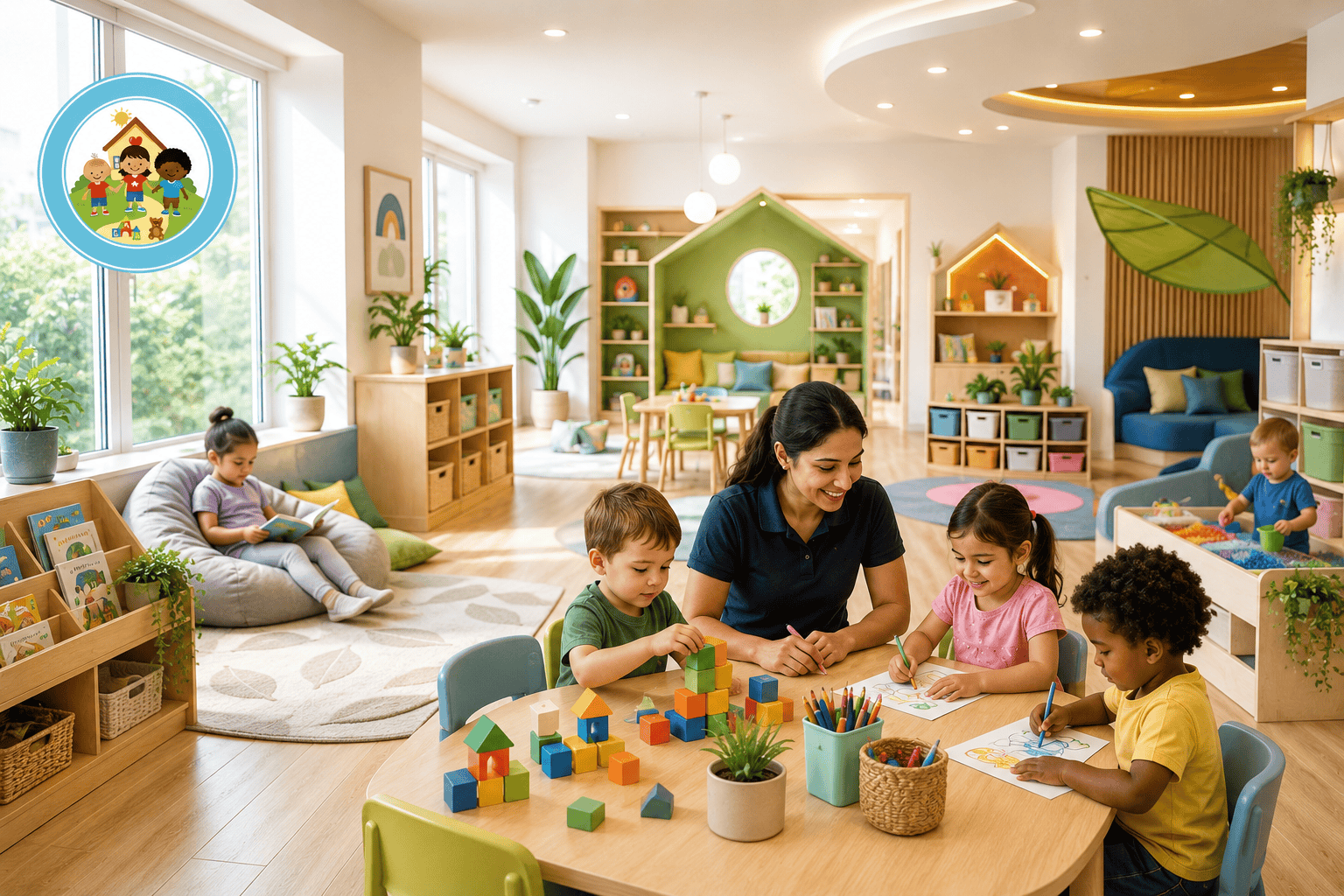
Finding the best daycare centers near me is one of the most important decisions parents make during the early years of a child’s life. A daycare center is not just a place where children stay while parents work—it becomes part of a child’s emotional, social, and cognitive development journey.
Parents today are more informed and selective than ever before. They want a center that offers safety, cleanliness, learning opportunities, emotional support, structured routines, and transparent communication. At the same time, many families are also searching for affordable daycare centers near me that do not compromise on quality or child safety.
The challenge is that many daycare centers look impressive online, but not all deliver the same level of care in real-world situations. Some focus heavily on academics while ignoring emotional development. Others may appear clean during tours but lack consistent hygiene protocols throughout the day.
This guide will help you compare daycare centers effectively, understand essential daycare features, and identify what truly matters for your child’s safety, comfort, and growth.
Why Choosing the Right Daycare Matters
Children spend several hours each week in daycare environments. During these early developmental years, experiences shape behavior, communication skills, confidence, and learning habits.
A high-quality daycare can help children:
On the other hand, poorly managed daycare centers can create stress, emotional discomfort, inconsistent routines, and even safety risks.
Parents often search online for the best daycare centers near me because they want reassurance that their child will be cared for properly while they are away.
What Makes a Daycare Center Truly Exceptional?
Not all daycare facilities operate at the same standard. Some excel in education but struggle with cleanliness. Others may provide excellent supervision but lack structured developmental activities.
The best daycare centers usually balance five critical areas:
When evaluating options, focus on real operational quality instead of marketing promises.
Essential Daycare Features Parents Should Compare
Safety and Security Systems
One of the most important daycare features is security.
Parents should examine:
A professionally managed daycare never allows unauthorized pickups or unrestricted access.
A real-world example many parents overlook involves pickup procedures. Some daycare centers release children quickly during busy hours without proper identity verification. High-quality centers maintain strict verification processes even during rush periods.
This level of consistency reflects professionalism and child-first operations.
Child-to-Staff Ratios
Smaller group sizes often mean better supervision and more personalized care.
Low child-to-staff ratios help with:
A classroom with too many children may appear energetic, but overstimulation can affect younger children negatively.
When comparing the best daycare centers near me, ask how many caregivers supervise each age group throughout the day.
Educational Activities and Learning Structure
Modern daycare is not simply babysitting.
Quality centers incorporate:
The goal is balanced development—not academic pressure.
Experienced childcare professionals understand that young children learn best through guided play and emotional interaction.
Understanding a Child-Safe Daycare Environment
Physical Safety Standards
A proper child-safe daycare environment goes beyond padded corners and locked doors.
Look for:
Children naturally explore through touch and movement. A safe daycare anticipates risks before accidents happen.
Emotional Safety and Comfort
Parents often focus heavily on physical safety while overlooking emotional wellbeing.
Children thrive when caregivers:
An emotionally secure environment reduces separation anxiety and improves learning readiness.
One of the strongest signs of a healthy daycare environment is observing how staff respond when children become upset. Experienced caregivers remain patient, reassuring, and attentive rather than dismissive or overwhelmed.
Why Hygiene Standards Matter More Than Ever
Hygiene Practices in Daycare
Strong hygiene practices in daycare directly affect child health and attendance.
Children share toys, learning materials, tables, and play spaces throughout the day. Without proper sanitation, illnesses spread quickly.
Parents should ask about:
Professional daycare centers usually follow written cleaning protocols instead of informal routines.
Signs of a Safe and Clean Daycare
A truly safe and clean daycare environment feels organized, fresh, and professionally maintained.
Common positive signs include:
A quick tour during operating hours often reveals more than staged promotional photos.
Parents should also observe whether children themselves appear clean, comfortable, and supervised appropriately.
Comparing Affordable Daycare Centers Without Sacrificing Quality
Many parents assume lower cost means lower quality, but that is not always true.
Some affordable daycare centers near me offer excellent care because they:
Instead of choosing based solely on price, compare overall value.
Questions Parents Should Ask About Pricing
Ask daycare centers:
Transparent pricing often reflects trustworthy management.
Hidden fees can make initially affordable daycare options much more expensive over time.
Daycare Emergency Procedures Every Parent Should Understand
Emergency Readiness Is Non-Negotiable
Reliable daycare emergency procedures protect children during unexpected situations.
Parents should confirm the daycare has protocols for:
Experienced centers conduct regular emergency drills so staff and children know how to respond calmly.
Staff Training and Certifications
Ask whether caregivers are trained in:
Well-trained staff can make critical decisions quickly during emergencies.
Parents often feel reassured simply by seeing confidence and professionalism in staff communication.
Comparing Different Types of Daycare Centers
Home-Based Daycare
Home daycare settings may provide:
However, parents should still verify licensing, safety standards, and emergency procedures.
Large Childcare Centers
Larger daycare facilities often provide:
These centers may work well for parents seeking routine and developmental structure.
Montessori-Inspired Daycares
Some daycare programs follow Montessori principles focused on:
These environments can support confidence and early problem-solving abilities.
Common Mistakes Parents Make When Choosing Daycare
Choosing Based Only on Appearance
Beautiful décor does not guarantee quality childcare.
Some centers invest heavily in aesthetics while neglecting staff training or supervision quality.
Always evaluate operations—not just appearances.
Ignoring Staff Interaction
Observe how caregivers communicate with children.
Signs of strong caregiving include:
Children often reveal daycare quality through their comfort levels and behavior.
Not Reviewing Policies Carefully
Parents sometimes skip reviewing policies related to:
Clear written policies usually indicate organized management.
Expert Tips for Touring Daycare Centers
Visit During Active Hours
The best tours happen when children are actively present.
This allows parents to observe:
A quiet after-hours tour rarely reflects actual operations.
Observe the Children
Children provide honest clues about daycare quality.
Look for children who appear:
Frequent crying, chaos, or disengaged staff may indicate deeper problems.
Ask Scenario-Based Questions
Instead of generic questions, ask:
Real operational answers often reveal staff experience levels.
How Technology Is Changing Modern Daycare
Many daycare centers now offer:
While technology improves communication, it should never replace meaningful caregiver interaction.
The best daycare centers combine professional care with transparent parent communication.
Building a Strong Parent-Daycare Relationship
The best childcare experiences happen when parents and caregivers work together.
Strong communication helps daycare providers understand:
Parents should feel comfortable discussing concerns openly without fear of judgment.
A daycare center that values parent collaboration usually creates better long-term outcomes for children.
Final Thoughts on Finding the Best Daycare Centers Near Me
Choosing the best daycare centers near me requires more than reading reviews or comparing prices. Parents should focus on safety, emotional care, hygiene standards, emergency preparedness, staff quality, and developmental support.
A truly outstanding daycare creates an environment where children feel secure, engaged, respected, and encouraged to grow.
Families searching for affordable daycare centers near me should remember that value matters more than appearance alone. Many well-run daycare programs provide exceptional care without premium pricing.
Take time to tour facilities, ask detailed questions, observe staff interactions, and trust your instincts as a parent. The right daycare environment can positively influence your child’s confidence, learning, emotional wellbeing, and early development for years to come.
FAQs
How do I know if a daycare center is truly safe?
A safe daycare center should have secure entry systems, trained staff, emergency protocols, clean classrooms, and consistent supervision. During visits, observe how caregivers interact with children and whether safety rules are followed naturally throughout the day.
What are the most important daycare features to compare?
The most important daycare features include staff-to-child ratios, cleanliness standards, safety procedures, educational activities, emotional support, communication systems, and emergency preparedness. Parents should compare operational quality instead of relying only on appearance or marketing.
How important are hygiene practices in daycare settings?
Strong hygiene practices in daycare are extremely important because young children frequently share toys and close-contact spaces. Regular sanitization, handwashing routines, illness management policies, and clean food preparation areas help reduce illness outbreaks and maintain healthier environments.
Are affordable daycare centers lower quality?
Not necessarily. Many affordable daycare centers near me provide excellent care through efficient operations and experienced staff. Parents should evaluate safety, caregiver professionalism, communication quality, and child engagement instead of assuming higher cost automatically means better care.
What should parents ask during a daycare tour?
Parents should ask about:
Scenario-based questions often provide deeper insights into how the daycare operates in real situations.
Design & Developed by Alpha Business Designs